Lufthansa Grubu, uçuş seyahatlerine olan güçlü talep sayesinde, belirgin şekilde artan yakıt maliyetlerine rağmen 383 milyon Euro'luk bir operasyonel kâr elde ediyor.
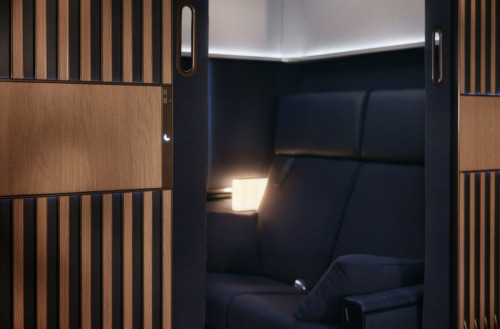
Carsten Spohr, İcra Kurulu Başkanı, Deutsche Lufthansa AG: "Bugün, krizler ve jeopolitik belirsizliklerle şekillenen zorlu bir ikinci çeyreğe geri dönüyoruz. Daha da iyileşen doluluk oranlarımız ve belirgin şekilde artan ortalama gelirlerimize rağmen, önemli ölçüde artan yakıt maliyetlerini tamamen telafi edemedik. Özellikle, premium sınıflarda küresel düzeyde kesintisiz bir seyahat talebi olumlu bir etki yarattı. Allegris veya Swiss Senses gibi premium tekliflere yaptığımız birçok yatırım ve FOX hizmet yükseltmesi, meyvelerini vermeye başlıyor. Lufthansa'nın ana markasında, dönüşüm programının üç unsuru da artık etkili bir şekilde çalışıyor: Filonun ve ürünlerin yenilenmesi belirgin ilerleme kaydediyor, Discover Airlines ve Lufthansa City Airlines'daki yüksek verimli uçuş operasyonlarındaki kapasiteler sürekli olarak artırılıyor ve rekabet gücü, birçok verimlilik ve etkinlik önlemi ile geliştiriliyor. Aynı zamanda, kargo işindeki olumlu gelişmeler devam ediyor. Lufthansa Cargo, operasyonel kârını önemli ölçüde artırdı ve böylece ikinci çeyrekte %11'in üzerinde bir marja ulaştı. Lufthansa Technik de sağlam bir ikinci çeyrek geçirdi ve cirosunu %11 artırmayı başardı. Özellikle dalgalı bir ortamda, iş modelimizin sağlam, uyum sağlayabilir ve giderek daha dayanıklı olduğu ortaya çıkıyor." 2026'nın ikinci çeyreği yüksek kerosen fiyatlarıyla şekillendi. Lufthansa Grubu, 2026'nın ikinci çeyreğinde, bir önceki yıla göre %8 artışla 11,1 milyar Euro gelir elde etti (önceki yıl: 10,3 milyar Euro). Şirket, 383 milyon Euro'luk bir operasyonel kâr (Düzeltilmiş EBIT) kaydetti, bu da bir önceki yıla göre belirgin bir düşüş (önceki yıl: 870 milyon Euro). Sonuç düşüşünün ana nedenleri, bir önceki yıla göre yaklaşık 750 milyon Euro artan yakıt maliyetleri ve grevler nedeniyle en az 150 milyon Euro'luk finansal yüklerdi. Buna karşılık, Asya hatlarındaki ortalama gelirler bir önceki yıla göre %13'ten fazla arttı. Düzeltilmiş EBIT marjı %3,4'e düştü (önceki yıl: %8,4). Konsolide sonuç, daha düşük operasyonel sonuçlar, değerleme etkileri ve bir önceki yıldaki bir defaya mahsus vergi etkisi nedeniyle 123 milyon Euro'ya (önceki yıl: 1,0 milyar Euro) geriledi. Düzeltilmiş serbest nakit akışı, -365 milyon Euro'ya düştü (önceki yıl: 138 milyon Euro). Ağ havayolları, güçlü talep sayesinde maliyetleri kısmen telafi etti. Grubun ağ havayolları, ikinci çeyrekte bir önceki yılın aynı çeyreğine göre %3 daha az kapasite sundu; bu düşüş, özellikle Nisan'daki altı grev günü ve grup genelindeki kısa mesafe trafiğinin optimizasyonu nedeniyle oldu. Doluluk oranı hafif bir artışla %81,6'ya yükseldi ve parça başına gelir, bir önceki yıla göre %6,4 oranında belirgin bir artış gösterdi. Her iki gösterge de güçlü bir talebi işaret ediyor. Bu talep, özellikle premium segment ve Asya trafiği tarafından yönlendirildi. Orta Doğu'daki çatışma nedeniyle yakıt fiyatlarının önemli ölçüde artması, ağ havayollarında bir önceki yıla göre 600 milyon Euro'dan fazla bir artışa neden oldu. Yakıt ve emisyon giderleri hariç parça başına maliyetler, özellikle daha düşük kapasite nedeniyle bir önceki yıla göre %3,1 arttı. Temel maliyet unsurları, daha yüksek personel giderleri ve amortismanlardı. Önceki yılın kapasitesini dikkate alındığında, parça başına maliyet gelişimi yalnızca yaklaşık %1 olarak gerçekleşti, bu da ana işteki kararlı maliyet disiplinini gösteriyor. Genel olarak, ağ havayolları 137 milyon Euro'luk bir düzeltilmiş EBIT elde etti; bu, bir önceki yıla göre 490 milyon Euro daha az. Bu rakam, esasen ITA Airways'teki kiralama yükümlülüklerinin değerlemesinden kaynaklanan olumsuz döviz etkileri nedeniyle bir önceki yıla göre 108 milyon Euro daha düşük bir iştirak gelirini de içeriyor. Nokta-nokta havayolları, güçlü iç Avrupa talebi kaydetti. Eurowings, bir önceki yılın ikinci çeyreğine göre teklifini %6 azalttı. Parça başına gelir, esasen güçlü Avrupa işine bağlı olarak %9,4 arttı. Orta Doğu'daki kriz bağlamında, Eurowings, son zamanlarda büyüme gösteren Körfez bölgesine uçuşları geçici olarak programdan çıkardı ve bunun yerine Akdeniz bölgesine ek hatlar uçuruyor. Yakıt ve emisyon giderleri hariç parça başına maliyetler, özellikle azaltılan kapasite ve uçak bakım giderleri ile art